
Discover 10 real, accessible superfoods scientifically proven to boost your energy levels and strengthen your immune system. Learn how to easily add them to your diet for a natural vitality upgrade.
Introduction
The term “superfood” is often overused, but some foods truly earn the title by packing an extraordinary density of nutrients into every bite. In our fast-paced world, maintaining steady energy and a robust immune system is more important than ever. Instead of turning to quick fixes, we can fuel our bodies with nature’s most powerful allies. This list cuts through the marketing hype to focus on accessible, science-backed foods known for their proven benefits in combating fatigue and supporting immune function. We’ll explore not just what they are, but why they work and how to enjoy them daily.
1. Blueberries: The Antioxidant Powerhouse
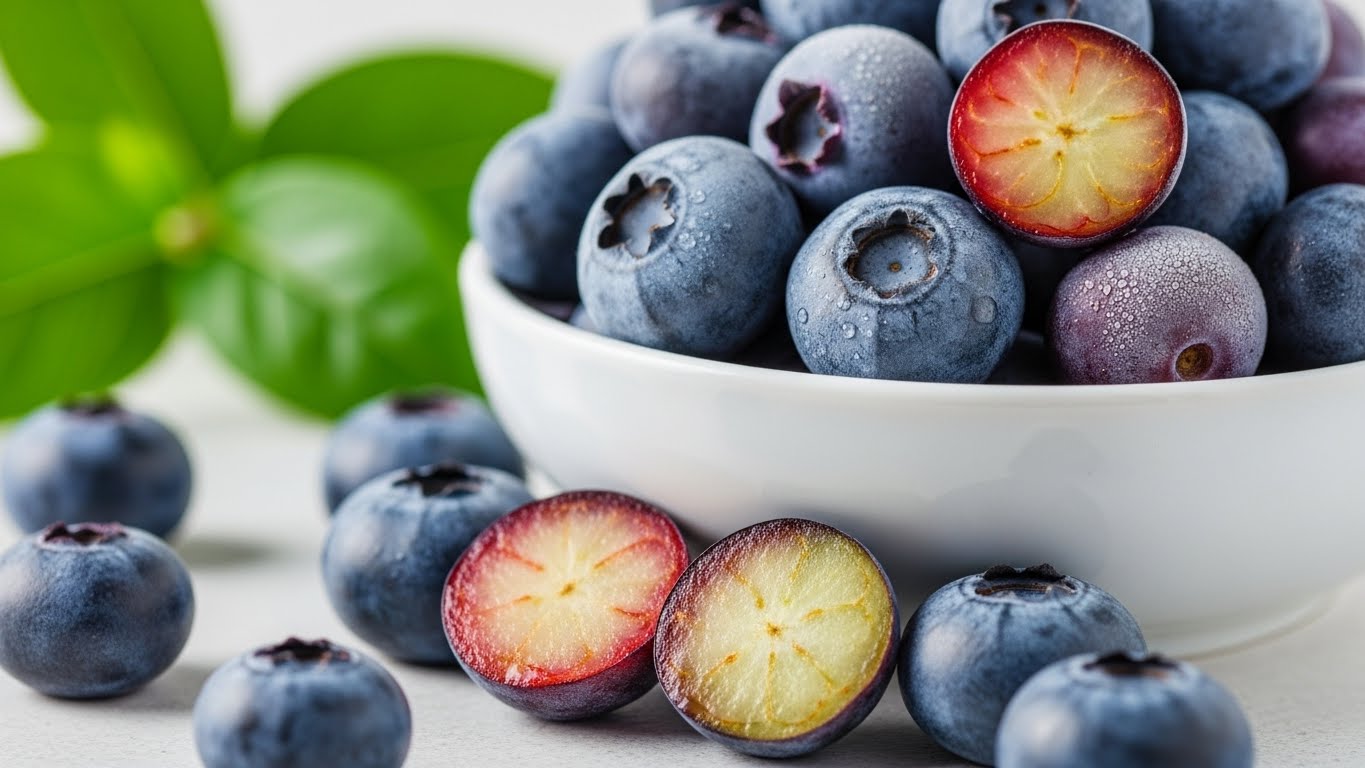
Tiny but mighty, blueberries are revered for their exceptionally high antioxidant content, primarily from flavonoids called anthocyanins, which give them their deep blue hue. These compounds help combat oxidative stress—a key driver of fatigue, inflammation, and weakened immunity. Studies suggest regular consumption can improve cognitive function (fighting mental fatigue) and support immune cell signaling.
How to Enjoy: Add a handful to your morning oatmeal or yogurt, blend into smoothies, or simply enjoy them frozen as a sweet, refreshing snack. Their versatility makes them an easy daily addition.
💡 Recipe Ideas:
- Quick Chia Jam: Simmer 1 cup blueberries with 1 tbsp chia seeds and a splash of maple syrup for 5 minutes.
- Boosted Smoothie: Blend with spinach, banana, almond milk, and a scoop of nut butter.
- Frozen Yogurt Bark: Spread Greek yogurt on a tray, top with blueberries and nuts, freeze, then break into pieces.
Foods rich in antioxidants and vitamins work best when they are part of a broader, well-structured diet. Understanding how different nutrients support your body on a daily basis can help you make better food choices overall — our Nutrition section explores this topic in depth with practical, science-based guidance.
2. Spinach & Leafy Greens: The Nutrient-Dense Base
Popeye was onto something. Dark leafy greens like spinach, kale, and Swiss chard are foundational superfoods. They are rich in iron (crucial for oxygen transport and fighting fatigue), vitamin C (an immune booster and helps iron absorption), folate, and a host of antioxidants. They also contain magnesium, a mineral essential for energy production in cells.
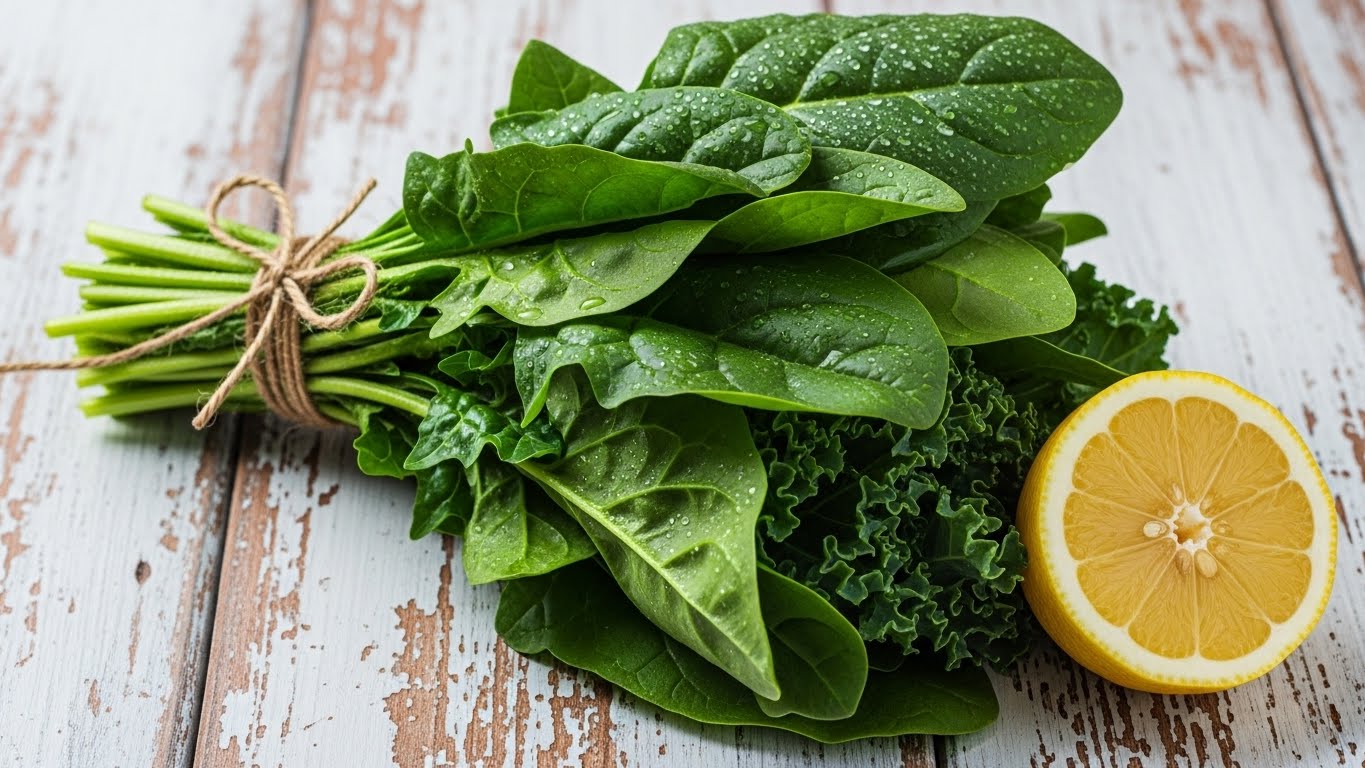
How to Enjoy: Sauté spinach as a quick side, massaging kale for salads to make it tender, or blending a large handful into green smoothies (it’s virtually undetectable with fruit!). Adding a squeeze of lemon increases iron absorption.
💡 Recipe Ideas:
- “Creamy” Green Soup: Blend steamed spinach with white beans, garlic, veggie broth, and a pinch of nutmeg.
- Kale Caesar Upgrade: Massage chopped kale with lemon juice and olive oil, then toss with Caesar dressing, croutons, and parmesan.
- Simple Garlic Sauté: Sauté spinach with garlic in olive oil until wilted, finish with lemon zest.
3. Ginger: The Anti-Inflammatory Root
More than just a sushi side, ginger is a potent rhizome with powerful anti-inflammatory and antioxidant compounds, chiefly gingerol. It’s renowned for aiding digestion and reducing exercise-induced muscle fatigue. Its warming properties can help fight off chills, and it has long been used to soothe sore throats and nausea, making it a go-to during immune challenges.
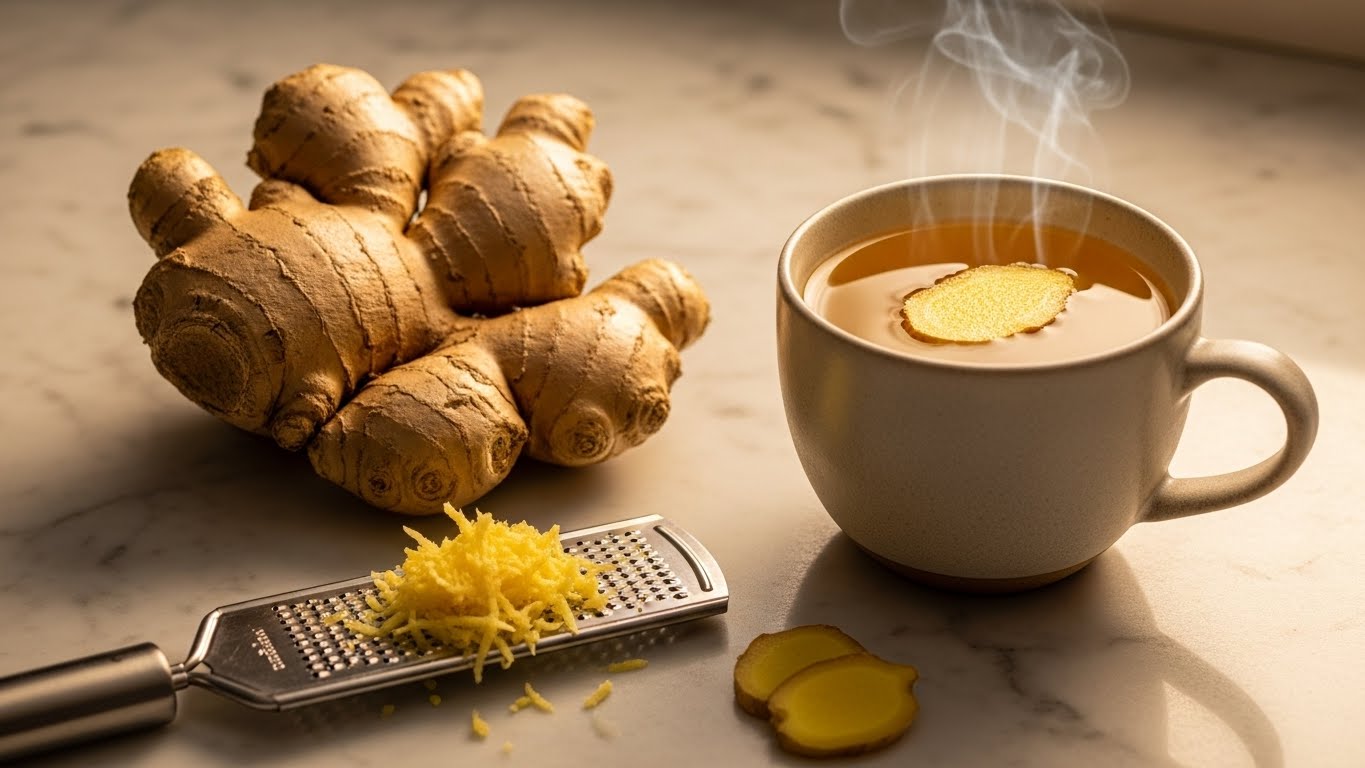
How to Enjoy: Grate fresh ginger into stir-fries, soups, or salad dressings. Steep slices in hot water for a soothing tea, or add it to your morning smoothie for a zesty kick.
💡 Recipe Ideas:
- Immunity Shot: Juice ginger, lemon, and a tiny piece of turmeric.
- Ginger-Lime Dressing: Whisk grated ginger, lime juice, honey, and soy sauce for an Asian-inspired salad.
- Carrot-Ginger Soup: Simmer carrots and onion with grated ginger, then blend until smooth.
4. Almonds & Nuts: The Crunchy Energy Pack
Almonds, walnuts, and other nuts are compact sources of sustainable energy. They provide a perfect trio: healthy fats, plant-based protein, and fiber, which together ensure slow digestion and stable blood sugar levels. They’re also rich in vitamin E (a key antioxidant for immune health), magnesium, and B vitamins, which are essential for converting food into cellular energy.
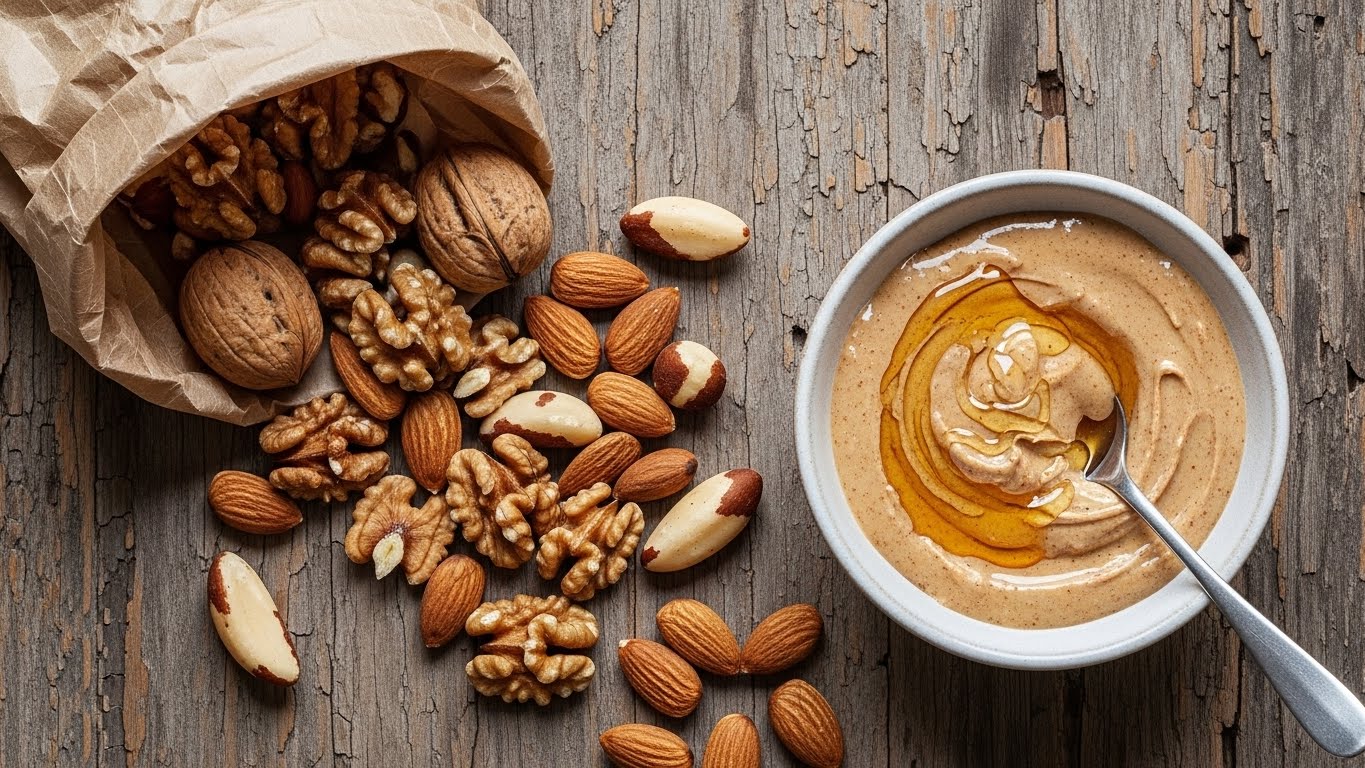
How to Enjoy: A small handful (about 1 oz) makes a perfect satiating snack. Slice or sliver them over salads or yogurt, or use almond butter as a dip for apple slices.
💡 Recipe Ideas:
- Homemade Nut Butter: Roast almonds, then blend in a food processor with a pinch of salt until creamy.
- Energy Bites: Mix nut butter, oats, honey, and chopped nuts, then roll into balls.
- Crunchy Topping: Toast chopped nuts with spices (cinnamon, cayenne) and sprinkle over roasted veggies.
5. Greek Yogurt: The Probiotic Protein Boost
Protein is key for satiety and energy, and Greek yogurt delivers it in spades, with nearly twice the protein of regular yogurt. Its true superpower for immunity lies in its live active cultures (probiotics), which support a healthy gut microbiome. Since a significant portion of the immune system resides in the gut, a balanced microbiome is critical for robust defense.
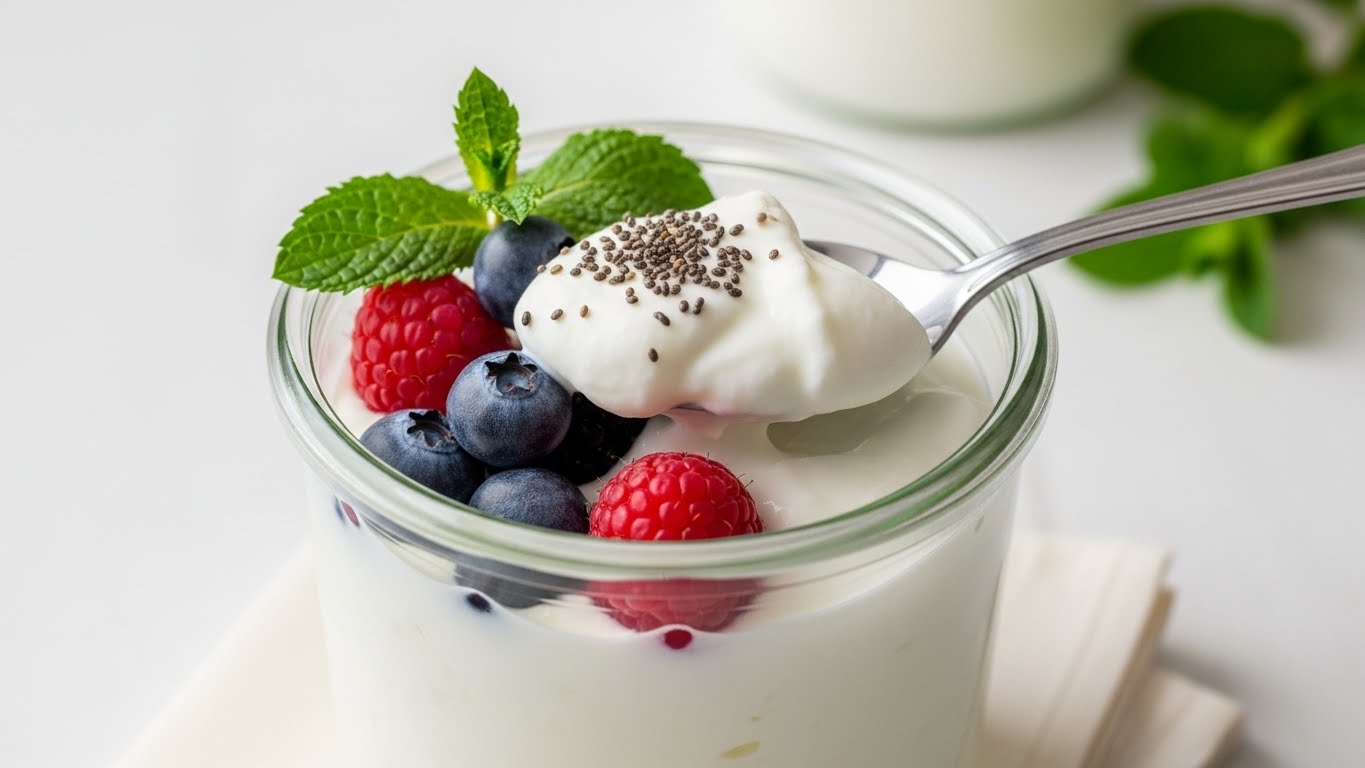
How to Enjoy: Choose plain, unsweetened versions to avoid added sugar. Top with berries and nuts for a complete breakfast or snack. It can also be used as a creamy base for dips or a substitute for sour cream.
💡 Recipe Ideas:
- Savory Dip: Mix with grated cucumber, garlic, and dill (Tzatziki).
- Frozen Pops: Blend with mango and a bit of honey, pour into molds, and freeze.
- Creamy Dressing: Thin with lemon juice and herbs for a salad dressing or sauce for grilled chicken.
6. Turmeric: The Golden Anti-Inflammatory
The vibrant yellow spice turmeric contains the powerful compound curcumin, one of the most potent natural anti-inflammatories known. Chronic inflammation is a drain on the body’s energy and can suppress immune function. By helping to manage inflammation, turmeric supports overall vitality and immune resilience.
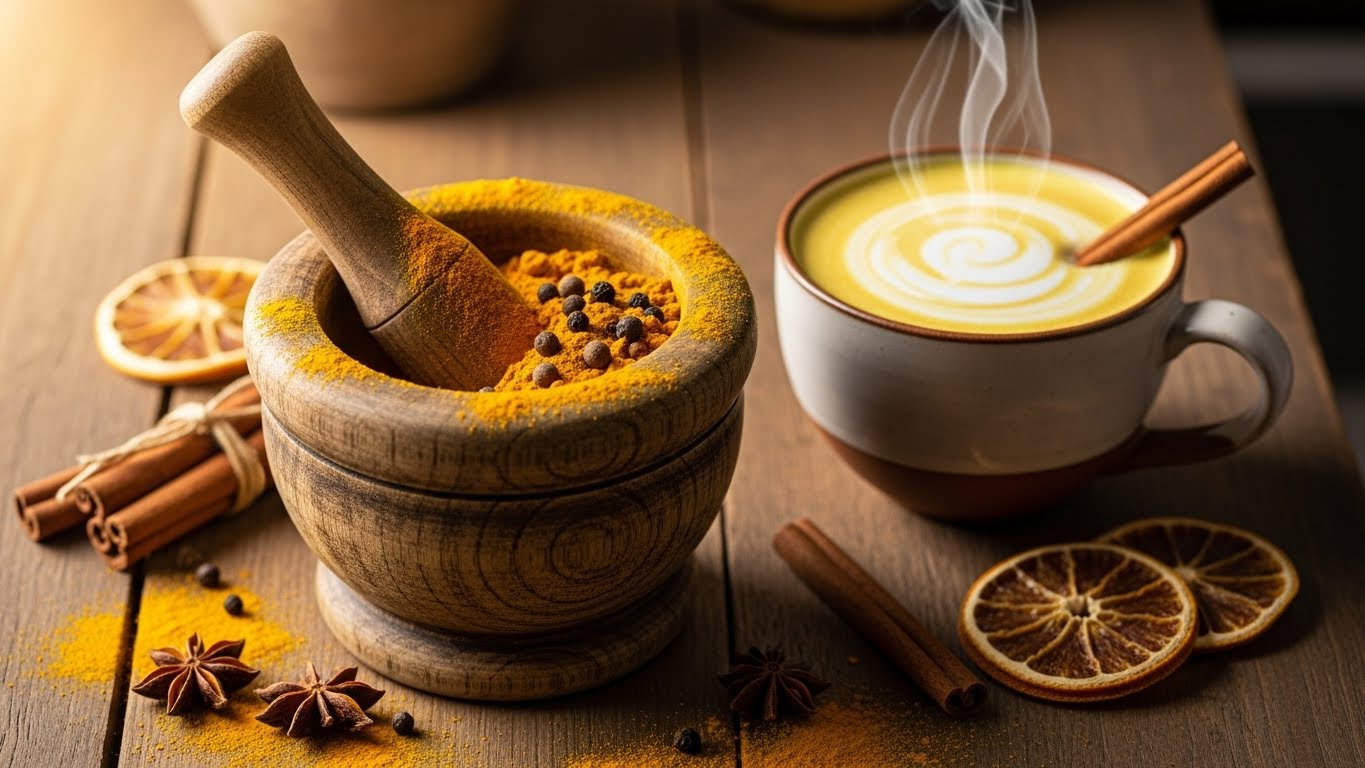
How to Enjoy: Turmeric is poorly absorbed on its own. Pair it with black pepper (which contains piperine, boosting absorption by 2000%) and a healthy fat. Add this golden duo to curries, soups, golden milk lattes, or scrambled eggs.
💡 Recipe Ideas:
- Golden Milk Latte: Heat milk (any kind) with turmeric, ginger, cinnamon, black pepper, and honey.
- Turmeric Roasted Cauliflower: Toss florets with olive oil, turmeric, cumin, and black pepper, then roast.
- Scrambled Eggs: Whisk a pinch of turmeric and black pepper into eggs before scrambling.
7. Green Tea: The Calming Energizer
Unlike coffee, which can cause jitters and crashes, green tea provides a gentle, sustained energy boost thanks to a combination of caffeine and L-theanine, an amino acid that promotes calm focus. It’s also loaded with catechins, particularly EGCG, a powerful antioxidant that has been shown to enhance immune function and provide antiviral properties.
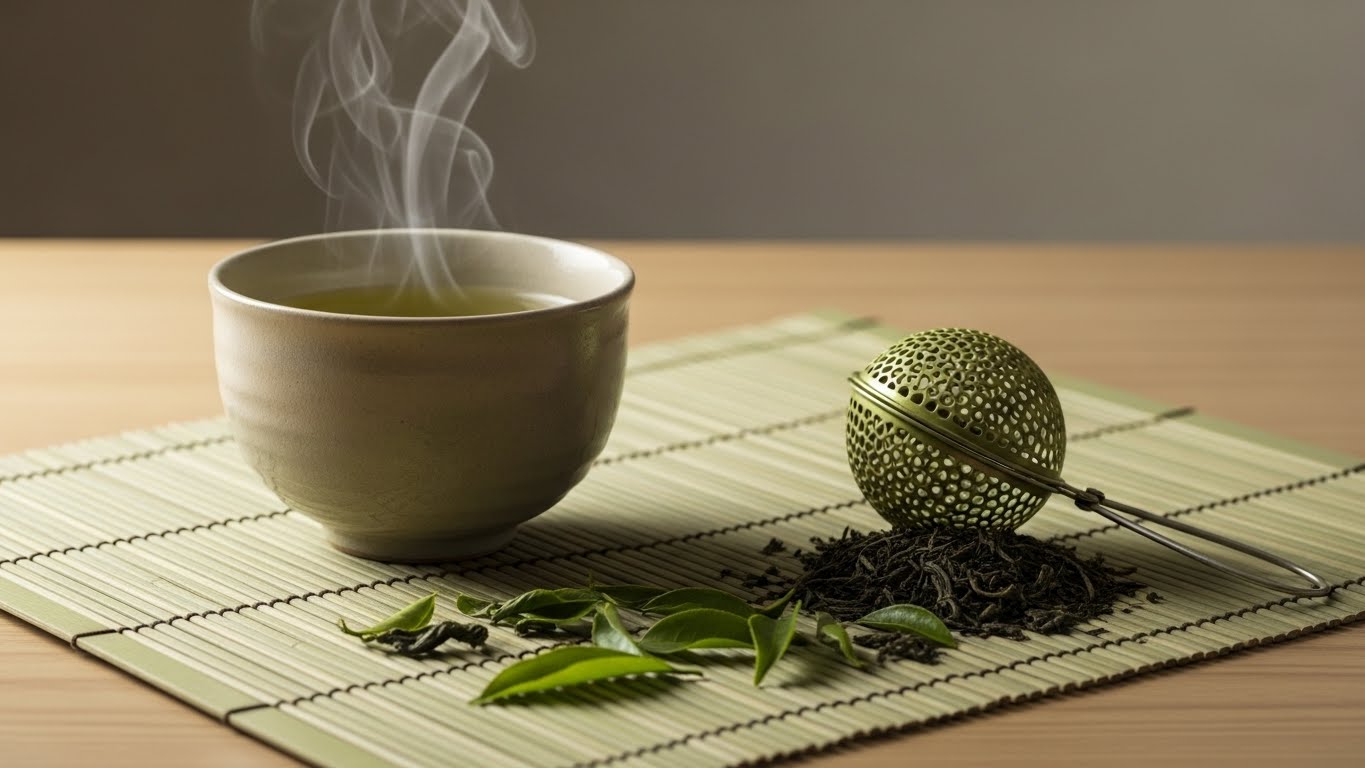
How to Enjoy: Steep for 2-3 minutes in hot (not boiling) water to preserve antioxidants. Enjoy 1-3 cups throughout the day. Matcha (powdered green tea) offers an even more concentrated dose.
💡 Recipe Ideas:
- Matcha Smoothie: Blend matcha powder with banana, spinach, and almond milk.
- Green Tea Poached Pears: Poach pears in a liquid of green tea, honey, and a cinnamon stick.
- Iced Citrus Green Tea: Brew green tea, cool it, and serve over ice with slices of lemon and orange.
While superfoods provide valuable nutrients, consistent energy throughout the day also depends on how active your lifestyle is outside the kitchen. Combining nourishing foods with regular movement is key — especially if you prefer simple, accessible routines like those described in How to Stay Active Without a Gym.
8. Citrus Fruits (Oranges, Grapefruit): The Vitamin C Classics
Vitamin C is a classic immune supporter for a reason. It stimulates the production of white blood cells and acts as a powerful antioxidant protecting cells. Citrus fruits like oranges, grapefruits, and lemons are fantastic sources. Vitamin C also enhances iron absorption from plant foods, directly combating fatigue caused by iron deficiency.
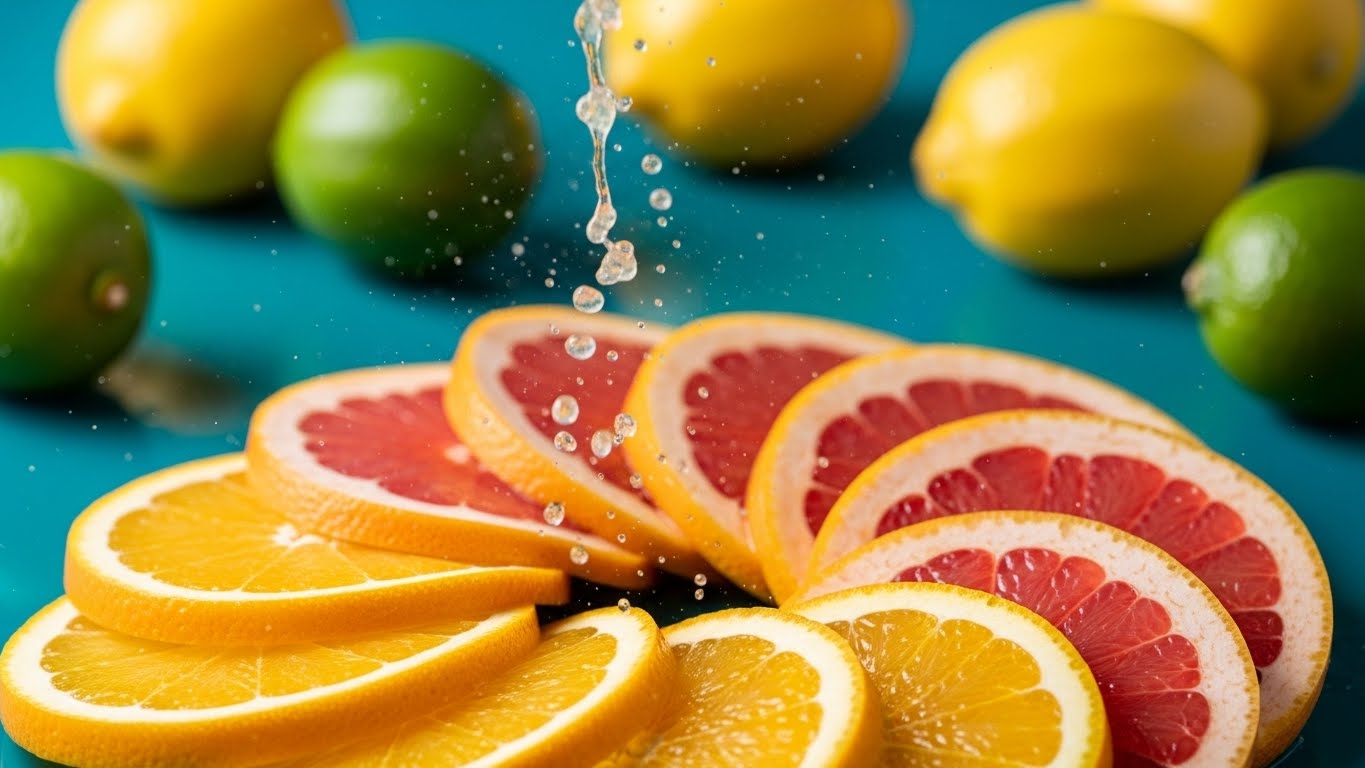
How to Enjoy: Eat the whole fruit for fiber, or squeeze fresh lemon/lime juice over salads, vegetables, and into water. A glass of fresh orange juice can be a quick boost, but whole fruit is preferred for fiber content.
💡 Recipe Ideas:
- Citrus Avocado Salad: Segment oranges/grapefruit and arrange over avocado and arugula with a light vinaigrette.
- Lemon Herb Quinoa: Cook quinoa in broth, then fluff with lemon zest, juice, and chopped parsley.
- Broiled Grapefruit: Sprinkle grapefruit halves with cinnamon and a dab of honey, broil for 3-5 minutes.
9. Salmon & Fatty Fish: The Omega-3 Champions
Fatty fish like salmon, mackerel, and sardines are among the best sources of omega-3 fatty acids (EPA and DHA). These fats are crucial for reducing systemic inflammation, a major energy drain. They also play a vital role in immune cell function. Additionally, salmon is rich in vitamin D and high-quality protein, both essential for energy and immunity.
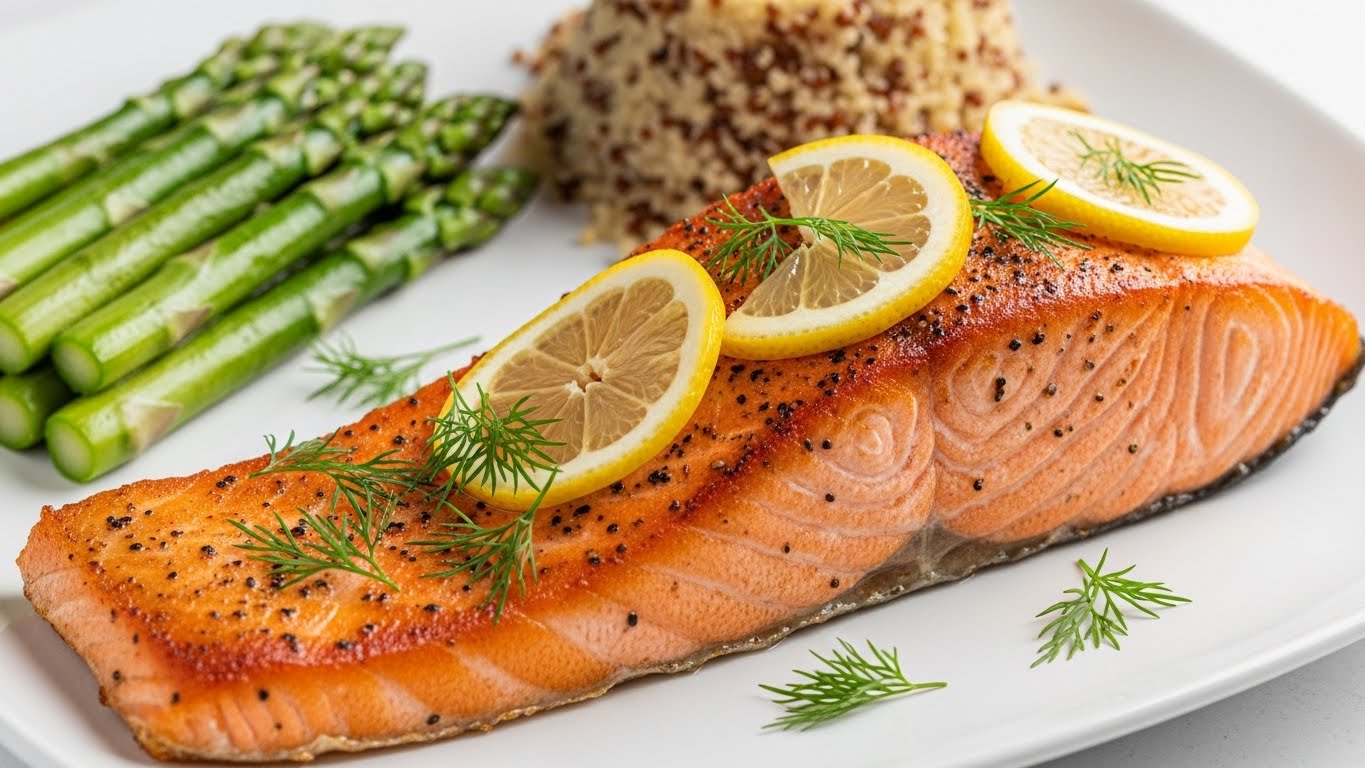
How to Enjoy: Aim for 2 servings per week. Bake, grill, or pan-sear salmon with herbs. Canned wild salmon is a convenient, affordable option for salads and patties.
💡 Recipe Ideas:
- Simple Sheet-Pan Salmon: Place salmon fillets and asparagus on a tray, drizzle with olive oil and lemon, bake.
- Salmon Salad: Flake canned salmon and mix with Greek yogurt, celery, and dill.
- Miso-Glazed Salmon: Brush fillets with a mix of white miso, mirin, and a little honey, then bake or broil.
10. Sweet Potatoes: The Vibrant Complex Carb
For lasting energy, your body needs quality carbohydrates. Sweet potatoes are an excellent complex carb, rich in beta-carotene (which converts to vitamin A in the body), a nutrient critical for maintaining the health of our skin and mucous linings—our first line of immune defense. They are also high in fiber and vitamin C, supporting steady energy release and immune function.
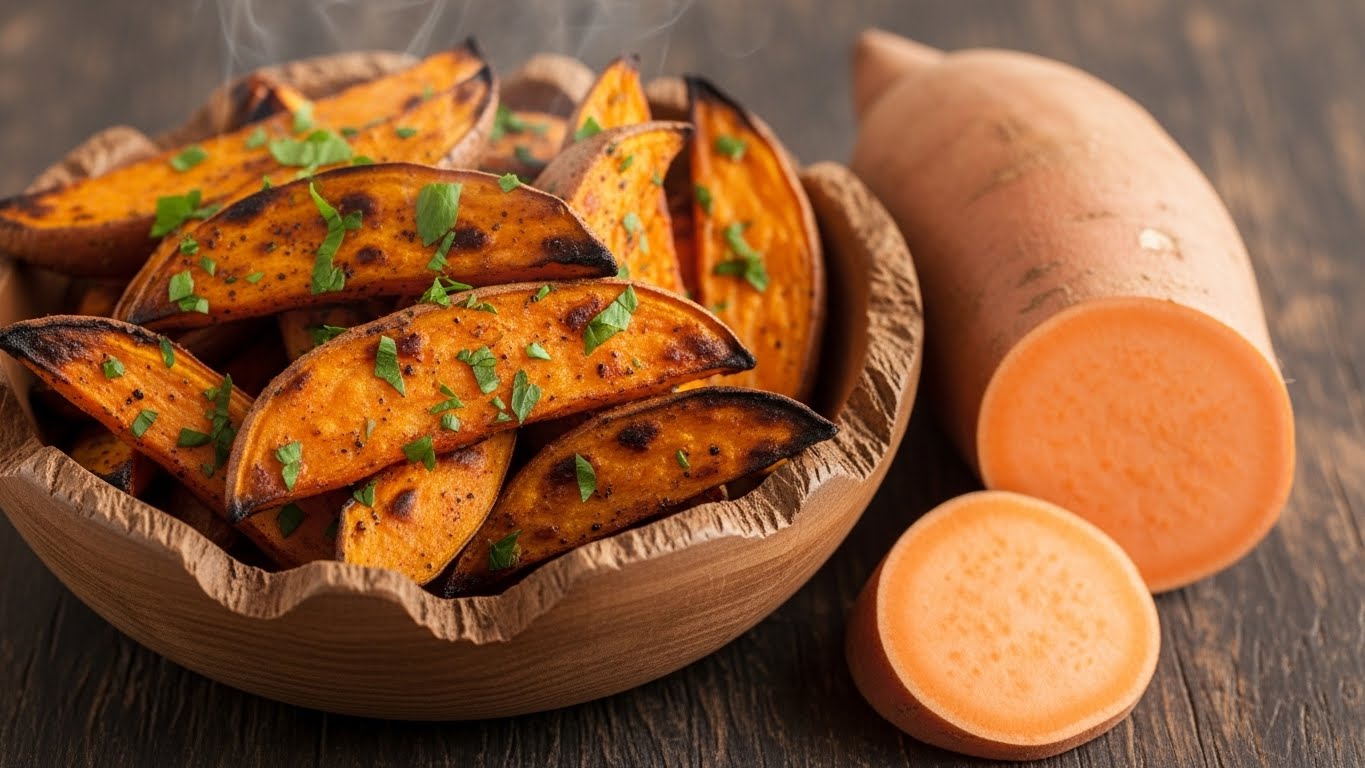
How to Enjoy: Roast them as fries, mash them, or bake them whole. Pair with a protein and leafy greens for a balanced, energy-sustaining meal.
💡 Recipe Ideas:
- Loaded Sweet Potato: Bake a whole sweet potato, then top with black beans, salsa, and avocado.
- Sweet Potato Hash: Dice and sauté with onions, bell peppers, and smoked paprika. Top with a fried egg.
- “Nice” Cream: Blend frozen chunks of cooked sweet potato with frozen banana and a splash of milk.
FAQ: Your Superfood Questions, Answered
Q1: Is eating superfoods on a regular basis expensive?
Not necessarily. The key is smart shopping. Frozen berries and vegetables are often more affordable than fresh and are just as nutritious. Seasonal, local produce (like cabbage, carrots, apples) are budget-friendly superfoods. Legumes (lentils, chickpeas), oats, and seeds (flax, sunflower) are also highly affordable and packed with nutrients.
Q2: Can I just take supplements instead?
Supplements can help address specific, diagnosed deficiencies, but they are not a replacement for whole foods. Food provides a unique synergy of nutrients, fiber, and antioxidants that work together far more effectively than isolated compounds in a pill. Think of food as the foundation and supplements as a targeted addition, not a substitute.
Q3: How much do I need to eat to see a benefit?
There’s no single “magic” portion. The focus should be on regularity and variety. Don’t try to eat everything at once. Aim to include 2-3 different superfoods from the list in your daily meals. The benefits—like sustained energy and stronger immunity—are the result of consistent habits over time, not a one-time effort.
Q4: Is it crucial to buy everything organic?
The most important thing is to eat vegetables and fruits, period. The health benefits of consuming conventional produce vastly outweigh the potential risks from pesticide residues. If your budget allows, you can prioritize organic for items on the “Dirty Dozen” list (e.g., strawberries, spinach), but it is not a strict requirement for a healthy diet.
Q5: Do superfoods lose their power when cooked?
Some water-soluble vitamins (like vitamin C) can degrade with high heat. However, cooking methods like steaming, baking, or quick sautéing preserve most benefits. Interestingly, some nutrients become more bioavailable after cooking—for example, lycopene in tomatoes and beta-carotene in carrots. Enjoy a mix: eat some fruits and vegetables raw and some cooked.
Conclusion
Integrating these ten superfoods into your diet isn’t about drastic overhauls; it’s about making smarter, more colorful choices. Start by picking one or two that appeal to you and find simple ways to incorporate them this week. Remember, synergy is key—these foods work best as part of a varied, whole-foods diet. By consistently fueling your body with these nutrient powerhouses, you’ll be investing in a natural reservoir of energy and building a stronger, more resilient immune system for the long run.
Building a resilient immune system is rarely about one single food or supplement. It’s the combination of smart nutrition, everyday habits, and a supportive environment that truly makes a difference — a concept we regularly explore across both our Nutrition and Healthy Lifestyle guides.