
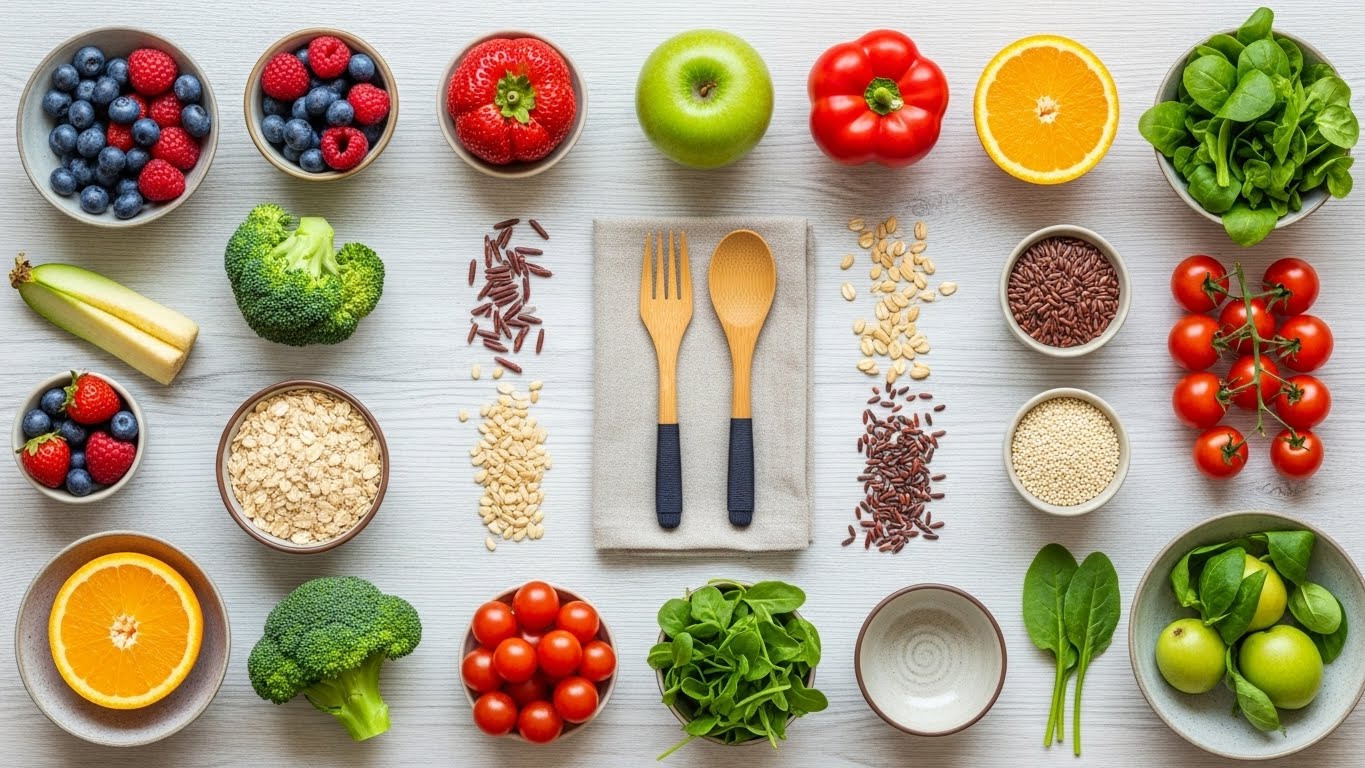
In an era where environmental consciousness is no longer optional, rethinking our relationship with food is essential. However, sustainability doesn’t have to mean restrictive dieting or giving up the joy of eating. By embracing mindful consumption, we can nourish our bodies and the planet simultaneously. Integrating these habits is a cornerstone of a Healthy Lifestyle, prioritizing nutrition and local impact over short-term weight loss goals. This guide explores how to make these changes part of your daily routine.
The Core Pillars: Why Your Food Choices Matter
Sustainable eating is a conscious commitment to choices that benefit our health, the environment, and the local economy. It is a vital response to a food production system currently responsible for 26–34% of global greenhouse gas (GHG) emissions. Understanding the data helps illustrate the impact of our plates:
- Environmental Stewardship: The footprint of different food groups varies drastically. Choosing plant-forward options directly reduces deforestation and resource depletion.
- Economic Resilience: Directing your food budget toward local farmers’ markets ensures capital stays within your community, fostering resilience against global supply disruptions.
Strategic Plant-Based Integration and Biodiversity
Transitioning to a sustainable plate isn’t about adopting a strict vegan label; it’s about shifting the balance. Household consumption collectively drives 60% of global GHG emissions. Simply shifting from a high-meat diet to a low-meat diet can reduce an individual’s carbon footprint by up to 30%.
- The 80/20 Flexitarian Rule: Follow the “Planetary Health Diet.” Fill half your plate with fruits and vegetables, treating meat as a “side dish” rather than the main event.
- Promoting Agroecology: 75% of the world’s food supply comes from just 12 plant species. By integrating “forgotten” crops like millet or sorghum, you support farming that restores soil health.
Quick Wins: Start Today
- 1. The Seasonal Rule: Align your shopping with local harvest cycles to ensure maximum nutrition and minimal transport costs.
- 2. Bulk Over Plastic: Use glass jars for grains to eliminate single-use packaging. Organizing with sustainable containers crosses into Home & Decor excellence.
- 3. Micro-Composting: Start a countertop bin for coffee grounds and scraps to divert waste even in small apartments.
The Art of Reducing Food Waste
In 2022, the world wasted 1.05 billion tonnes of food. Households generate 60% of this waste, accounting for nearly five times the emissions of the entire aviation sector.
Inventory Audits
Check your pantry before shopping to avoid duplicate purchases.
Creative Leftovers
View yesterday’s dinner as ingredients for today’s grain bowls.
Mindful Portions
Eat without distractions to better recognize satiety signals.